
Our Homeless Hub focuses on working in partnership with local charities dealing with homelessness. There is no limit to the number of charities we partner but each one will have a proven track record of effective support to homeless people in their area.
To most people homelessness is about rough sleeping in doorways, parks, stairwells or anywhere else that offers some shelter. It is so much more. Most homeless people, most of whom are the “hidden homeless” feel abandoned by society. They don’t fit. They don’t have a future, They are vulnerable.
For many what they want is to have a decent and affordable home and a job that underpins their independence.
Great charities dealing with homelessness usually focus on :
What is homelessness?
Homeless people are often viewed as falling in to three categories. Some can, over time, move between the categories.
What are the causes of homelessness?
There are many reasons people become homeless. Poverty and unemployment combined with the lack of affordable housing are common causes. There are life events that can play a big part such as relationships breaking down, health problems, substance abuse or losing a job. People leaving prison, care or the forces with no home to go to can drift into homelessness. Women, often with their children, who are escaping a violent or abusive relationship often end up homeless. Some of us are only one event away from becoming homeless.
Some key facts
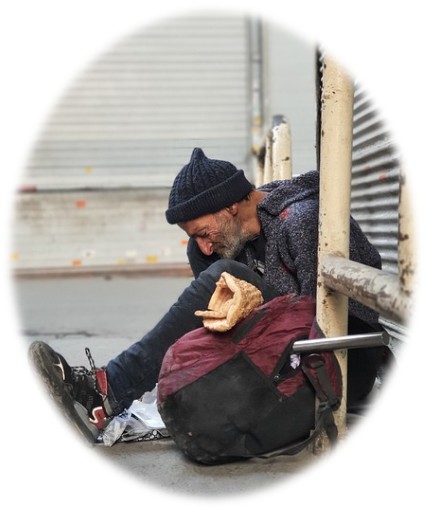
Rough sleepers are seventeen times more likely to have been victims of violence. One in three will have been hit or kicked.
Homeless men on average will live to age 45 and women to age 43. Compare these figures with Nigeria,calculated by UN in 2023, to have the lowest life expectancy in the world at 55 at birth and 64 at age 15.
The homeless are more than nine times likely to commit suicide.
It was estimated by Dr Laura Neilson, the chief executive of Shared Health Foundation, that 159,000 children were living in temporary accommodation over the Christmas period in 2024.
Local authorties have a duty of care for households that are homeless : categorised as relief. They also have a duty for those households likely to become homeless: categorised as prevention. There are also priority needs to be met for people to be eligible.
The figures reported by local authorities exclude Rough Sleepers.There is no statutory obligation placed on local authorities to address their needs. The hidden homeless can often get lost in getting support until they have nowhere to go.
The Ministry of Housing, Communities and Local Government report for 2024/25 covering England shows that: